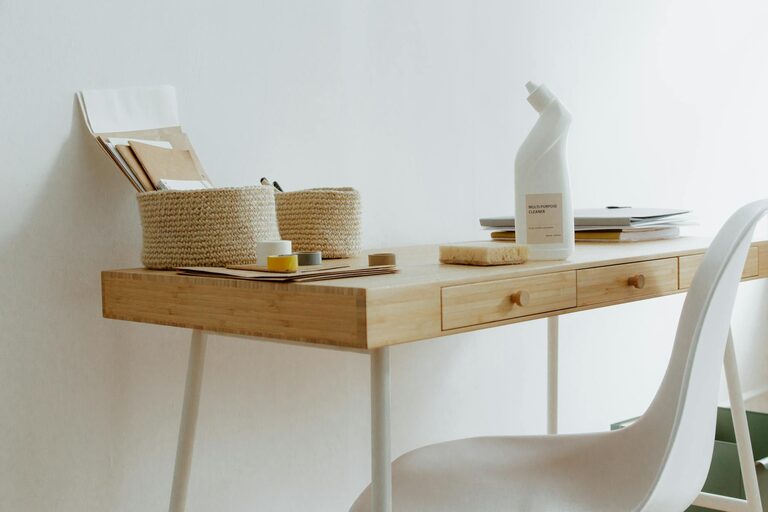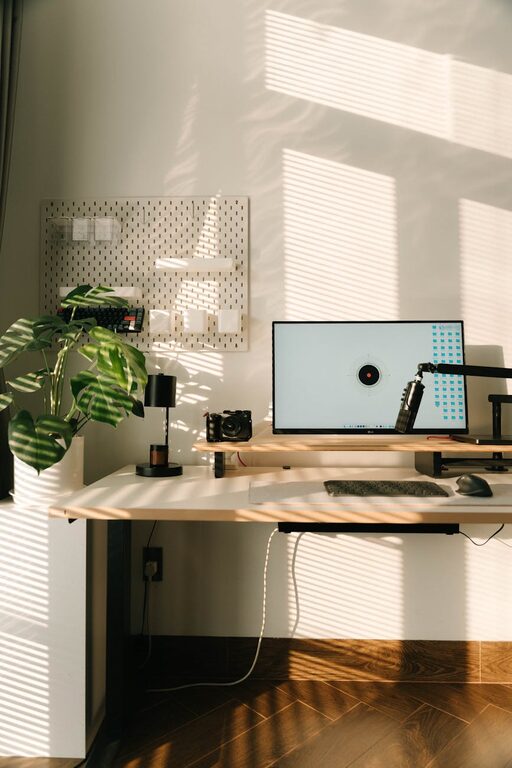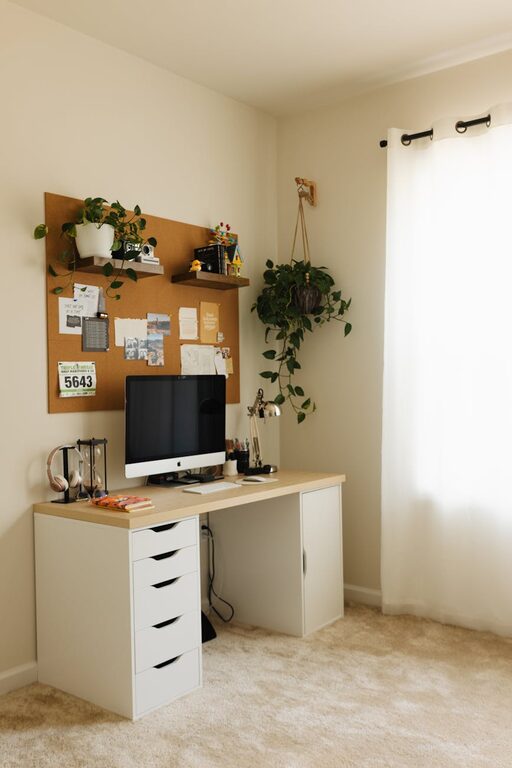
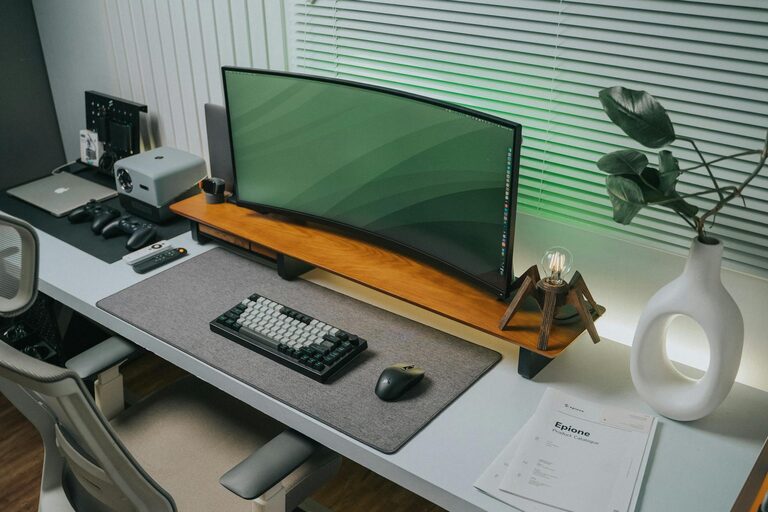
Creating a home office that is both sustainable and organised can greatly improve your work experience, productivity, and wellbeing. Whether you work from home full-time or occasionally, setting up a space that supports your needs while minimising environmental impact is a smart choice. In this post, we’ll explore practical tips to help you design a home office that feels comfortable, efficient, and eco-friendly.
Why Aim for Sustainability and Organisation?
A well-organised home office reduces distractions and stress, making it easier to focus. Meanwhile, sustainability means using resources wisely and reducing waste. Together, these principles create a productive environment that is good for you and the planet.
Choosing the Right Location
When setting up your home office, location is key. Here are some points to consider:
– Natural Light: Try to choose a spot near a window. Natural daylight boosts mood and reduces the need for artificial lighting.
– Quiet Space: Pick a quieter area to help concentration, away from household noise.
– Ventilation: Good air circulation improves comfort and health.
– Space Availability: Ensure there’s enough room for your desk, chair, and storage without overcrowding.
Selecting Sustainable Furniture and Equipment
Sustainability starts with your choice of furniture and office equipment.
– Opt for Second-hand or Refurbished: Buying pre-owned desks or chairs reduces demand on resources.
– Choose Eco-Friendly Materials: Furniture made from sustainably sourced wood, bamboo or recycled materials are better choices.
– Ergonomic Design: Invest in comfortable seating to prevent strain and injury.
– Energy-efficient Electronics: Use devices that have good energy ratings to reduce electricity use.
Organising Your Workspace
An organised workspace helps to keep your mind clear and workflow smooth.
Declutter Regularly
Remove items you don’t need or use. Clutter creates visual noise and makes it harder to find things.
Use Storage Solutions
– Shelves and Cabinets: Store documents and supplies out of sight but within reach.
– Desk Organisers: Use trays, holders or boxes to keep stationery tidy.
– Cable Management: Use clips or sleeves to prevent cables from tangling.
Digital Organisation
Keep your files and emails organised to cut down on paper waste.
– Use cloud storage and digital folders.
– Regularly archive and delete unnecessary files.
– Use electronic note-taking apps to reduce paper use.
Lighting and Energy Use
Good lighting reduces eye strain and enhances focus.
– Use LED Bulbs: They use less energy and last longer than traditional bulbs.
– Maximise Natural Light: During daytime, rely on daylight rather than artificial lighting.
– Turn Off Devices: Switch off computers, printers and lights when not in use.
Incorporating Green Elements
Bringing nature into your home office improves air quality and wellbeing.
– Add Indoor Plants: They purify air and create a calming atmosphere.
– Natural Décor: Use natural fabrics or materials to decorate your workspace.
– Avoid Synthetic Air Fresheners: Instead, open windows for fresh air or use essential oil diffusers.
Paper and Waste Management
Reduce waste to make your office more sustainable.
– Go Paperless: Whenever possible, handle documents digitally.
– Recycle Paper and Electronics: Set up bins for recycling paper, batteries, and electronic devices.
– Use Recycled Paper: If you need to print, opt for recycled or sustainably sourced paper.
Establish Clear Workspace Boundaries
If your home office is part of another room, such as the living room or bedroom, set clear boundaries.
– Use Room Dividers: Screens or curtains can separate your work area.
– Define Your Desk Area: Keep work materials within this zone and try to leave work behind at the end of the day.
Maintain a Daily Routine
An organised home office supports good work habits.
– Start your day by tidying your desk.
– Set specific work hours and breaks.
– Plan your tasks to avoid overworking.
Final Thoughts
Creating a sustainable and organised home office is an ongoing process. By choosing eco-conscious materials, keeping your space tidy, and adopting efficient habits, you can enjoy a workspace that supports your productivity and contributes positively to the environment. Small changes can make a big difference—start with one tip and build your ideal office space over time.
About the Author