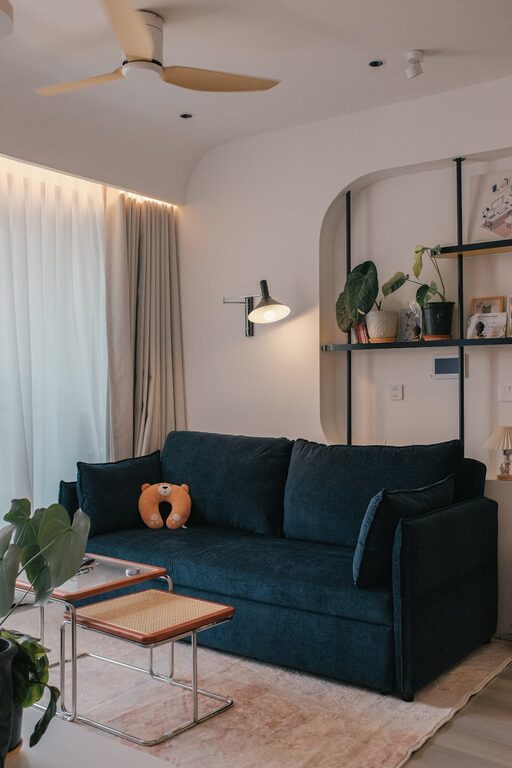
Creating a cosy and inviting living room is a wonderful way to enhance your home’s comfort and atmosphere. Whether you want a relaxing retreat after a busy day or a warm space for socialising with family and friends, a few thoughtful touches can make all the difference. Here are some practical tips to help you design a living room that feels welcoming and snug.
Understand Your Space and Needs
Before making any changes, consider how you use your living room and what you want from it. Do you love to read, entertain guests, or watch films together? Understanding your lifestyle will guide your choices.
– Think about the size and layout of the room.
– Consider the natural light and where to place seating.
– Identify key activities to prioritise comfort and functionality.
Choose Warm and Soothing Colours
Colour can greatly influence the mood of a room. Opting for warm and neutral tones typically creates a cosy feel.
– Earthy colours like soft beige, warm taupe, and gentle browns invite relaxation.
– Accent with muted colours such as dusty rose, sage green, or deep blues.
– Avoid overly bright or harsh colours that may feel too stimulating.
Focus on Comfortable Seating
Your living room should have inviting seating that welcomes you to sit back and unwind.
– Invest in plush sofas or armchairs with soft cushions.
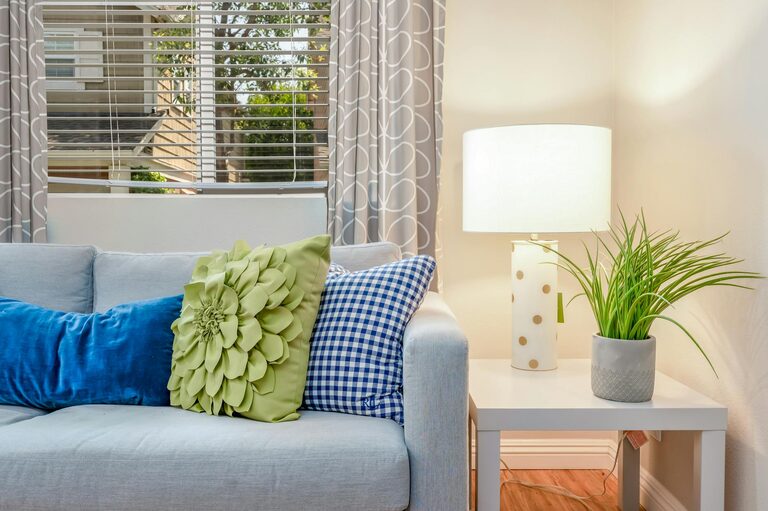
– Layer with throws and pillows that add texture and warmth.
– Consider different types of seating, like a comfy armchair paired with a footrest or pouffes, for versatile comfort.
Incorporate Soft Lighting
Lighting plays a big role in creating ambience. A mix of light sources helps adjust the mood throughout the day.
– Use table lamps and floor lamps to offer soft, diffused light.
– Avoid relying on a single overhead light, which can feel harsh.
– Consider candles or fairy lights to add a gentle glow during evenings.
Add Textures for Interest and Warmth
Textured elements add depth and comfort, making a room feel homelier.
– Layer rugs, especially with natural fibres like wool or jute.
– Add fabric curtains that drape softly rather than blinds alone.
– Mix fabric types in cushions and throws, such as velvet, knit, or linen.
Use Personal and Natural Touches
Personal touches make the space uniquely yours and add to the inviting atmosphere.
– Display favourite books, artwork or family photos.
– Incorporate plants or fresh flowers to bring life and freshness.
– Use wooden or handmade decorative items for a natural, organic feel.
Keep Clutter to a Minimum
A neat space feels more peaceful and welcoming.
– Use stylish storage solutions like baskets or side tables with drawers.
– Regularly clear surfaces to keep the room open and clutter-free.
– Organise cables and technology discreetly to maintain a calm environment.
Create Different Zones
Dividing the living room into functional zones can improve comfort and flow.
– Create a reading nook with a cosy chair and a small bookcase.
– Set up a media corner with ideal viewing and sound arrangements.
– Use rugs or furniture placement to visually divide areas without crowding.
Maintain Harmony in Decor
A cohesive look helps the space feel well thought out and welcoming.
– Choose furnishings and colours that complement each other.
– Avoid matching everything exactly; instead, aim for a balanced mix.
– Repeat colours or patterns in small doses for continuity.
Final Thoughts
Transforming your living room into a cosy and inviting space doesn’t require major renovations or expensive purchases. Thoughtful colour choices, comfortable furniture, layered textures, and personalised touches can create an environment where you and your loved ones feel truly at home. Take your time, experiment with different elements, and enjoy the process of making your living room a sanctuary for relaxation and connection.
About the Author