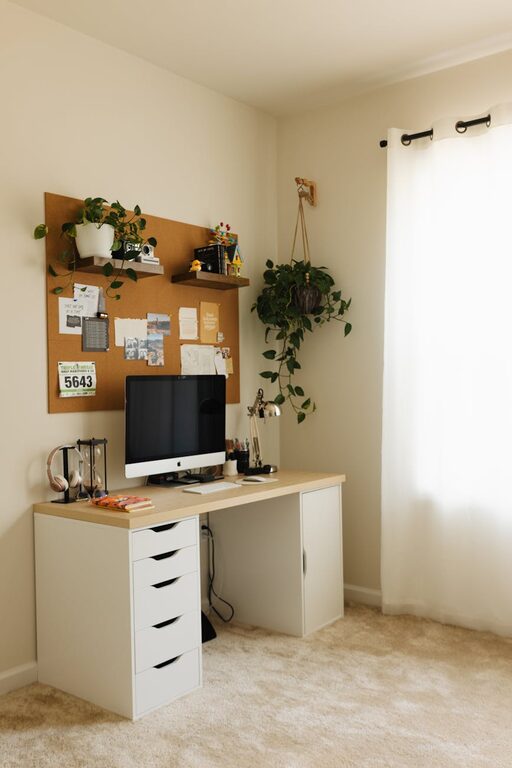
Working from home has become a regular part of life for many people. Whether you’re freelancing, running a business, or simply catching up on work, having a dedicated and productive home office can make all the difference. A well-designed workspace not only helps increase focus and efficiency but also contributes to your overall comfort and well-being.
This guide will walk you through essential tips for creating a productive home office environment that suits your needs and encourages a positive work routine.
Choosing the Right Location
Find a Quiet, Low-Traffic Spot
Start by selecting a space in your home that minimises distractions. Ideally, pick a room or corner away from noisy areas like the kitchen or living room. If space is limited, use room dividers or screens to separate your workspace visually and acoustically.
Ensure Good Natural Light
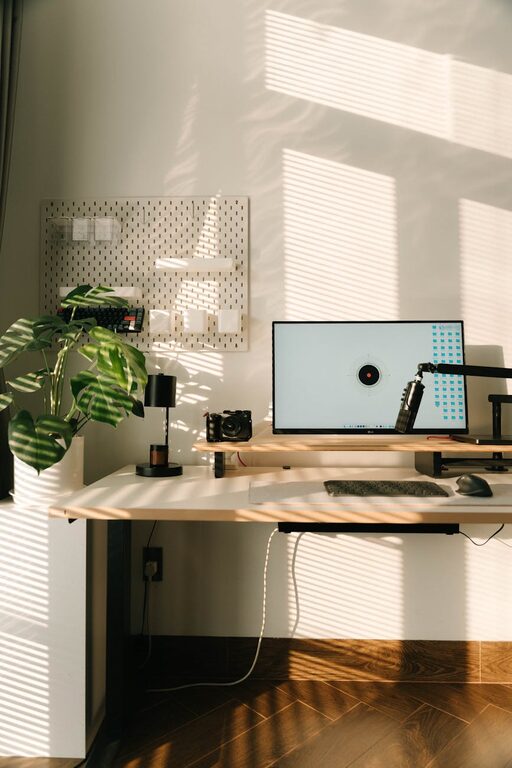
Natural light can boost mood and reduce eye strain. Position your desk near a window, but avoid glare on your computer screen. If natural light is scarce, invest in quality artificial lighting to brighten your area without causing harsh shadows.
Investing in Comfortable, Functional Furniture
Choose an Ergonomic Chair
A comfortable, adjustable office chair supports your posture and reduces the risk of back pain. Look for chairs with lumbar support, adjustable height, and armrests to customise according to your needs.
Use a Suitable Desk
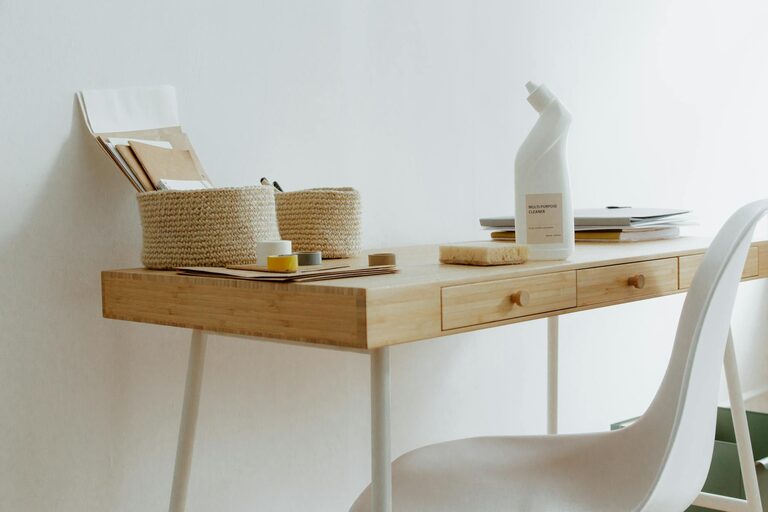
Your desk should be spacious enough for your computer, documents, and other essentials. Consider options with built-in storage to keep clutter out of sight. Adjustable desks that allow you to alternate between sitting and standing postures can also enhance productivity and health.
Organising Your Space Effectively
Declutter Regularly
A tidy workspace helps clear your mind. Remove unnecessary items and organise documents in labelled folders or drawers. Regular decluttering prevents buildup of distractions.
Utilise Storage Solutions
Use shelves, filing cabinets, or desk organisers to store supplies. Vertical storage saves floor space and keeps frequently used items within reach.
Minimising Distractions
Set Clear Boundaries
If you share your home with others, communicate your working hours and the importance of not being disturbed. Use signs or closed doors as signals when you’re busy.
Manage Digital Distractions
Turn off non-essential notifications on your phone and computer during work hours. Use apps that block distracting websites if necessary.
Creating a Positive Atmosphere
Personalise Your Workspace
Add plants, photos, or artwork to make your office inviting. Greenery can improve air quality and reduce stress.
Maintain Good Air Quality
Open windows when possible to let in fresh air or use an air purifier to ensure a comfortable atmosphere.
Control Temperature and Noise
Ensure your workspace is neither too hot nor too cold. Use noise-cancelling headphones or white noise machines to mask background noise.
Establishing a Routine
Set Consistent Working Hours
Having regular start and finish times helps separate work from personal life and establishes a daily rhythm.
Take Regular Breaks
Brief breaks improve concentration and reduce fatigue. Use techniques such as the Pomodoro method (25 minutes work, 5 minutes break) to maintain balance.
Utilising Technology Wisely
Invest in Reliable Equipment
A fast internet connection and a dependable computer are essential for smooth workflow. Consider additional monitors if your work requires multitasking.
Use Collaboration Tools
Depending on your job, tools like video conferencing apps, shared calendars, and project management software can keep you connected and organised.
Prioritising Health and Well-being
Incorporate Movement
Stretch regularly and consider desk exercises. If possible, alternate between sitting and standing while working.
Maintain Proper Posture
Set up your screen so that the top is at eye level, keep your feet flat on the floor, and your wrists straight when typing.
—
Creating a productive home office environment is about balancing comfort, organisation, and focus. By choosing the right location, investing in ergonomic furniture, reducing distractions, and establishing positive routines, you can transform your space into a hub for creativity and efficiency.
Remember, every person’s ideal workspace looks different. Feel free to experiment with these tips and adjust them to find what works best for you. With a well-thought-out home office, you’ll be able to work more effectively while keeping your well-being front and centre.
About the Author