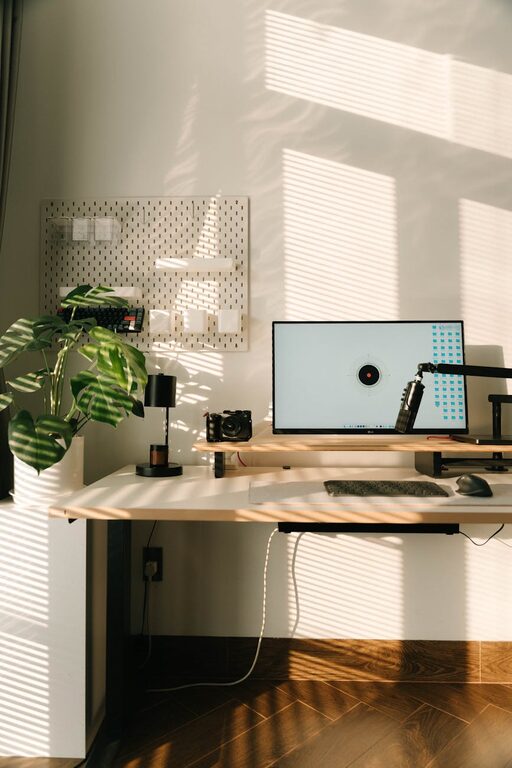
Creating a productive home office environment is essential in today’s world, where more people are balancing work with home life. Whether you work remotely full-time, occasionally take calls from home, or run a business, your workspace can significantly influence your productivity and wellbeing. This guide offers practical tips to help you design a home office that supports focus, efficiency, and comfort.
Choose the Right Space
Start by selecting a quiet, dedicated area of your home for your office. Ideally, this area should be out of high-traffic zones, such as busy living rooms or kitchens, to minimise distractions. Even if space is limited, dedicating a specific nook or corner to work helps your mind associate that space with focus and productivity.
Consider Natural Light
Where possible, position your desk near a window. Natural light can improve mood, reduce eye strain, and help regulate your body clock. Avoid glare on computer screens by placing your desk perpendicular to windows rather than directly in front or behind them.
Invest in Comfortable and Functional Furniture
Your chair and desk are at the heart of your workspace. Prioritise ergonomics to avoid discomfort or injury.
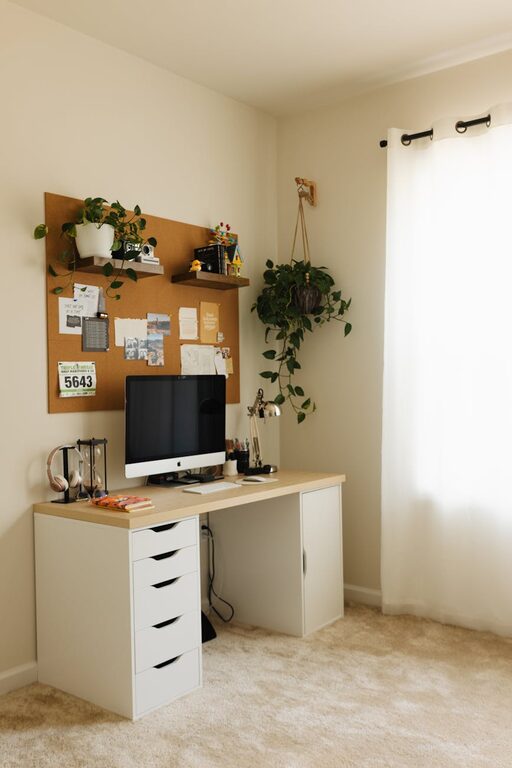
– Desk: Choose a desk with enough surface area for your computer, documents, and any other tools you regularly use. Adjustable desks or sit-stand desks offer flexibility.
– Chair: Select an adjustable chair with good lumbar support and cushioning. Sitting comfortably can reduce back pain and improve concentration.
– Storage: Include shelves, drawers, or filing cabinets to keep your space organised and clutter-free.
Organise Your Tools and Equipment
Having everything within easy reach saves time and reduces frustration.
– Use cable management solutions like clips or sleeves to keep cords tidy.
– Set up your computer, printer, and other devices so that cables don’t get tangled.
– Keep frequently used stationery, notebooks, and chargers in designated spots.
Prioritise Good Lighting
If natural light is limited, invest in quality artificial lighting.
– Use a combination of ambient lighting (overhead lamps) and task lighting (desk lamps) to reduce eye strain.
– Choose bulbs that mimic daylight for a more natural feel.
– Position your desk lamp to avoid shadows on your workspace.
Minimise Distractions
Reducing distractions is key to maintaining focus.
– Turn off unnecessary notifications on your computer and phone.
– Use noise-cancelling headphones if your home is noisy.
– Inform family or housemates of your work hours to minimise interruptions.
Add Personal Touches
While keeping the space professional, adding personal touches can enhance your mood and motivation.
– Include plants, which can improve air quality and add a calming element.
– Hang artwork or photos that inspire you.
– Use colours that promote focus—soft blues, greens, or neutrals are often effective.
Maintain a Clean and Clutter-Free Environment
A tidy workspace helps clear your mind.
– Set aside a few minutes at the start or end of each day to organise your desk.
– File or discard documents you no longer need regularly.
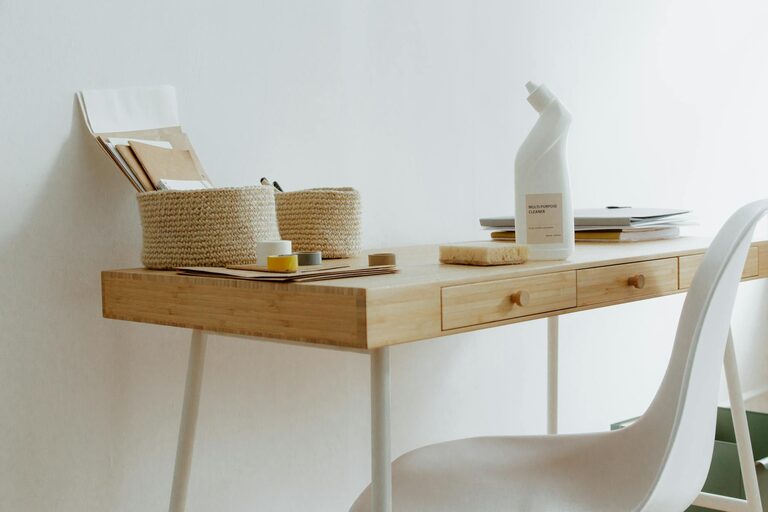
– Use organisers and trays to keep papers and accessories neat.
Establish a Routine and Boundaries
Your environment impacts your habits. Set clear start and finish times to your workday and stick to them. Taking regular breaks, stretching, and moving around helps maintain energy and reduce fatigue.
Schedule Breaks
Working non-stop can lead to burnout. Try techniques like the Pomodoro Technique, which involves working for 25 minutes, then taking a 5-minute break. Use breaks to stand, stretch or grab a drink.
Separate Work and Leisure
Avoid working from your bed or sofa where possible, as this can blur the lines between work and relaxation. When the day ends, leave your home office space to switch off properly.
Use Technology to Your Advantage
Various apps and tools can help manage tasks, communication, and schedules. Explore digital calendars, project management apps, and focus timers to streamline your workflow.
Maintain Good Air Quality and Temperature
Ensure your workspace is well ventilated and at a comfortable temperature. Fresh air can boost cognitive function, while extreme temperatures can reduce concentration and comfort.
Keep Hydrated and Nourished
Have water nearby and healthy snacks at hand to stay energised throughout the day. Avoid excessive caffeine or heavy meals which can affect alertness.
—
Creating a productive home office is about balancing comfort, organisation, and mindfulness. With these tips, you can craft a workspace that supports your work style and helps you stay motivated and efficient every day. Remember, your home office should adapt to you—so feel free to experiment and find what works best for your productivity and wellbeing.
About the Author