Creating a relaxing home workspace is essential for maintaining productivity, reducing stress, and enjoying your time at work. Whether you work remotely full-time or occasionally from home, a well-designed area can make a big difference in how you feel and perform. This post offers practical tips to help you set up a comfortable, organised, and calming workspace right in your home.
Why a Relaxing Workspace Matters
Your work environment directly impacts your mental clarity and motivation. A cluttered or uncomfortable space can lead to distractions, tension, and fatigue. Conversely, a calming workspace encourages focus, creativity, and well-being. When designing your home office, the aim is to create a soothing atmosphere that supports your work habits and makes you look forward to your tasks.
Choose the Right Location
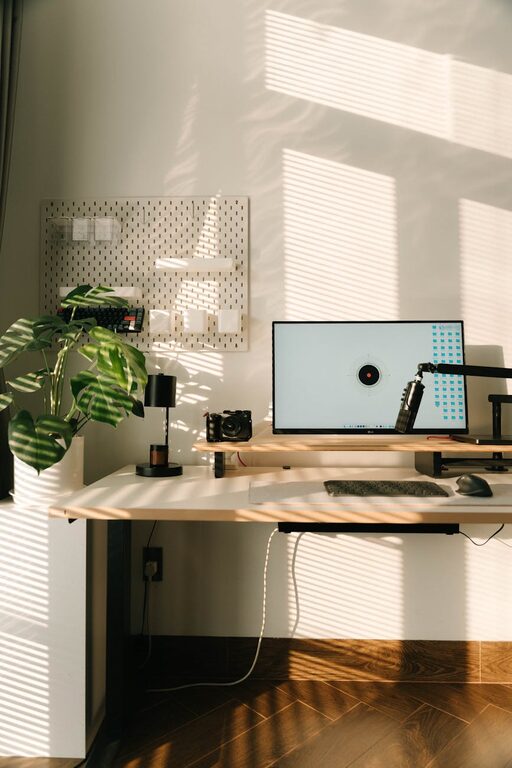
Start by selecting a quiet area in your home with minimal interruptions. Ideally, this should be a space separate from high-traffic areas like the kitchen or living room. If space is limited, consider using room dividers or screens to create a sense of separation. Natural light is a big bonus, so try to position your desk near a window but avoid glare on your computer screen.
Invest in Comfortable Furniture
Your chair and desk are the foundation of your workspace comfort. Choose an ergonomic chair that supports your back and promotes good posture. Adjustable desks that allow you to switch between sitting and standing can also improve comfort and energy levels. Keep your desk organised with sufficient surface space to accommodate your work essentials without feeling cramped.
Keep Your Workspace Tidy and Organised
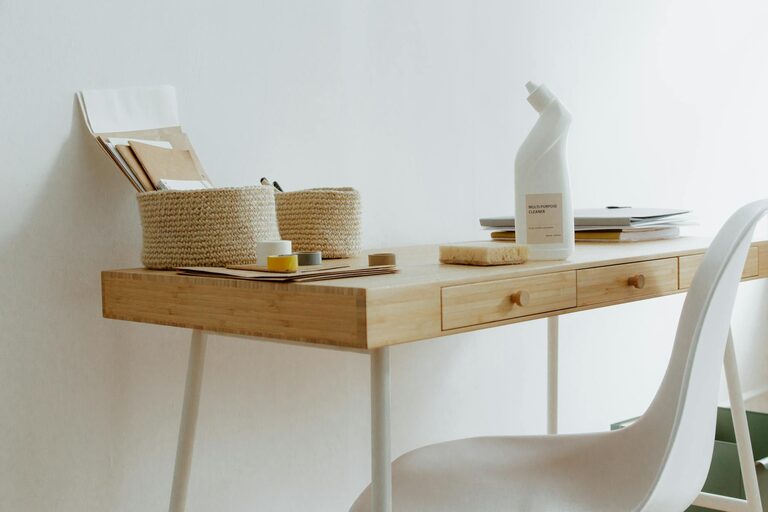
Clutter can be a major obstacle to relaxation and concentration. Use storage solutions like shelves, drawers, and boxes to keep papers, gadgets, and supplies neatly arranged. Regularly clear your workspace at the end of each day to maintain a neat environment. Label storage containers to quickly find items when needed.
Incorporate Calming Colours and Decor
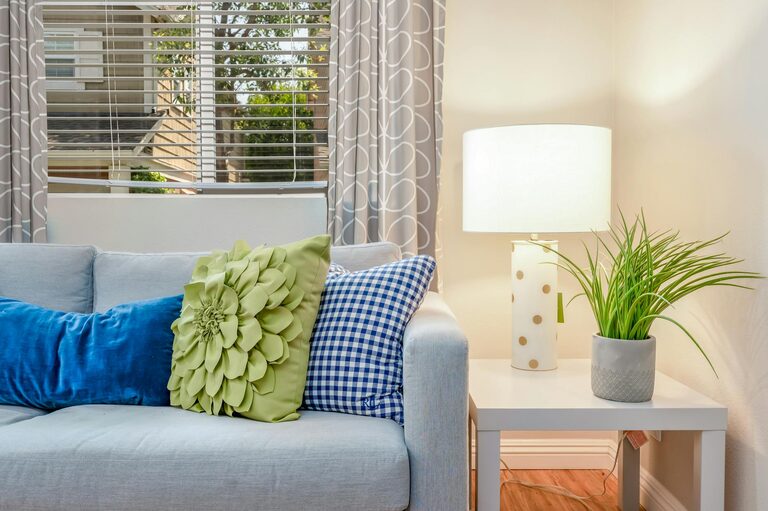
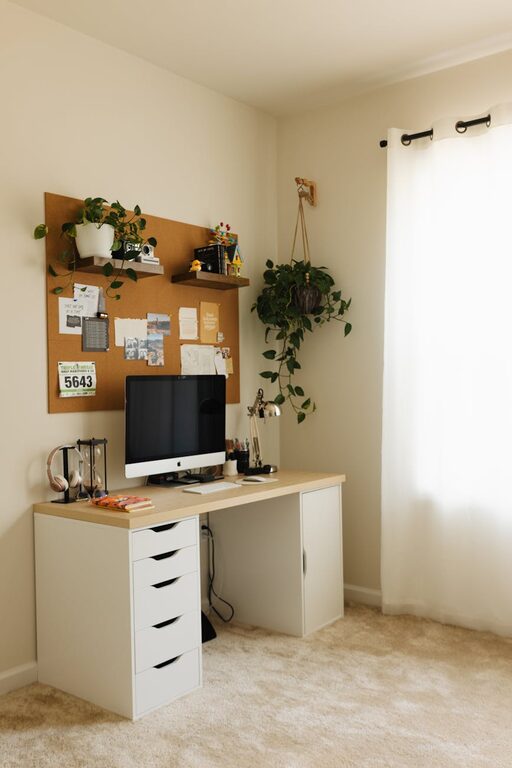
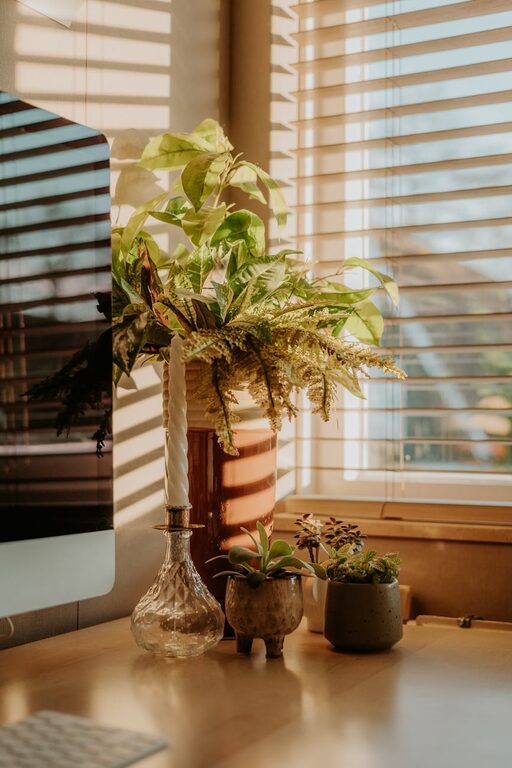
Soft, neutral colours such as light blues, greens, or creams tend to create a calming effect. Avoid overly bright or harsh colour schemes that may strain your eyes or add stress. Add personal touches like plants, artwork, or photos that inspire you without causing distraction. Plants also improve air quality and bring a natural element into your workspace.
Manage Lighting Thoughtfully
Good lighting reduces eye strain and boosts mood. Combine natural light with adjustable task lighting such as desk lamps or floor lamps. Use warm light bulbs instead of harsh white fluorescents to create a cosy atmosphere. Position lighting sources so there are no shadows or glare on your screen.
Minimise Noise and Distractions
If background noise is an issue, try using noise-cancelling headphones or playing soft instrumental music or white noise. Inform household members about your working hours to minimise interruptions. If needed, close doors or windows to reduce external sounds.
Personalise Your Workspace with Purpose
While it’s helpful to keep your workspace minimal, adding a few meaningful items can enhance comfort. This might include a favourite mug for your tea, a cushion on your chair, or a motivational quote on your wall. Avoid overcrowding your space with too many objects; choose items that make you feel calm and focused.
Maintain a Healthy Work Routine
A relaxing workspace supports a healthy work routine. Incorporate short breaks to stretch or walk around and avoid sitting for hours on end. Keep water nearby to stay hydrated and step away from your desk occasionally to rest your eyes.
Regularly Refresh Your Space
Over time, your needs and preferences may change. Take time every few months to reassess your workspace setup. Reorganise storage, swap out decor, or rethink your layout to ensure your workspace remains a pleasant and efficient place to work.
—
By following these tips, you can create a home workspace that feels welcoming and relaxing, helping you stay focused and comfortable throughout your working day. A thoughtfully designed environment benefits not only your productivity but also your overall well-being.
About the Author